How to Choose the Right City Tours in Barcelona for Your Visit
Choosing among city tours barcelona visitors see advertised can feel simple at first, then surprisingly fussy once dates, interests, budgets and energy levels come into play. A good tour should fit the way a person wants to experience the city, not just fill a free afternoon. The best choice usually comes from a clear sequence: decide what kind of day is wanted, compare routes, check practical details, then book with enough flexibility to handle changes.
Start with the kind of day you want
Before looking at individual tours, settle the broad style. Barcelona rewards slow looking, but it also has busy streets, long distances between some landmarks and a lively food scene. A first visit may call for a route through the old town and major sights. A repeat visit may be better served by a focused architecture tour, a market walk or a route by the water.
Think about pace in honest terms. Walking tours can be rewarding, yet they still involve hours on pavements, heat in summer and crowded lanes in peak periods. An e-bike tour covers more ground with less strain, though it needs basic confidence on a bike and attention to traffic. A food tour suits curious eaters, but it works best when the day is not packed with heavy meals afterwards. Matching the format to the traveller prevents most disappointments before a single timetable is checked.
It also helps to decide whether the tour should explain the city or simply provide a pleasant route. Some people want details about Gaudí, medieval streets and local customs. Others want a relaxed outing with photo stops and time to wander. Both are valid, but they lead to different choices.
Choose the area and the story
Once the style is clear, look at the route. Barcelona is compact in some directions and more spread out in others, so location matters more than it may appear on a map. A tour around the old town can include narrow lanes, plazas, markets and older buildings. A route near barceloneta brings a different mood, with sea air, beaches and a more open setting.
Check whether the advertised stops are actually included or merely passed. That distinction changes the experience. A route that says it visits casa batlló should make clear whether entry is part of the day or whether the group only stops outside. The same applies to museu picasso and other popular stops. Reading the wording carefully avoids assumptions about tickets, waiting time and how long the group stays in one place.
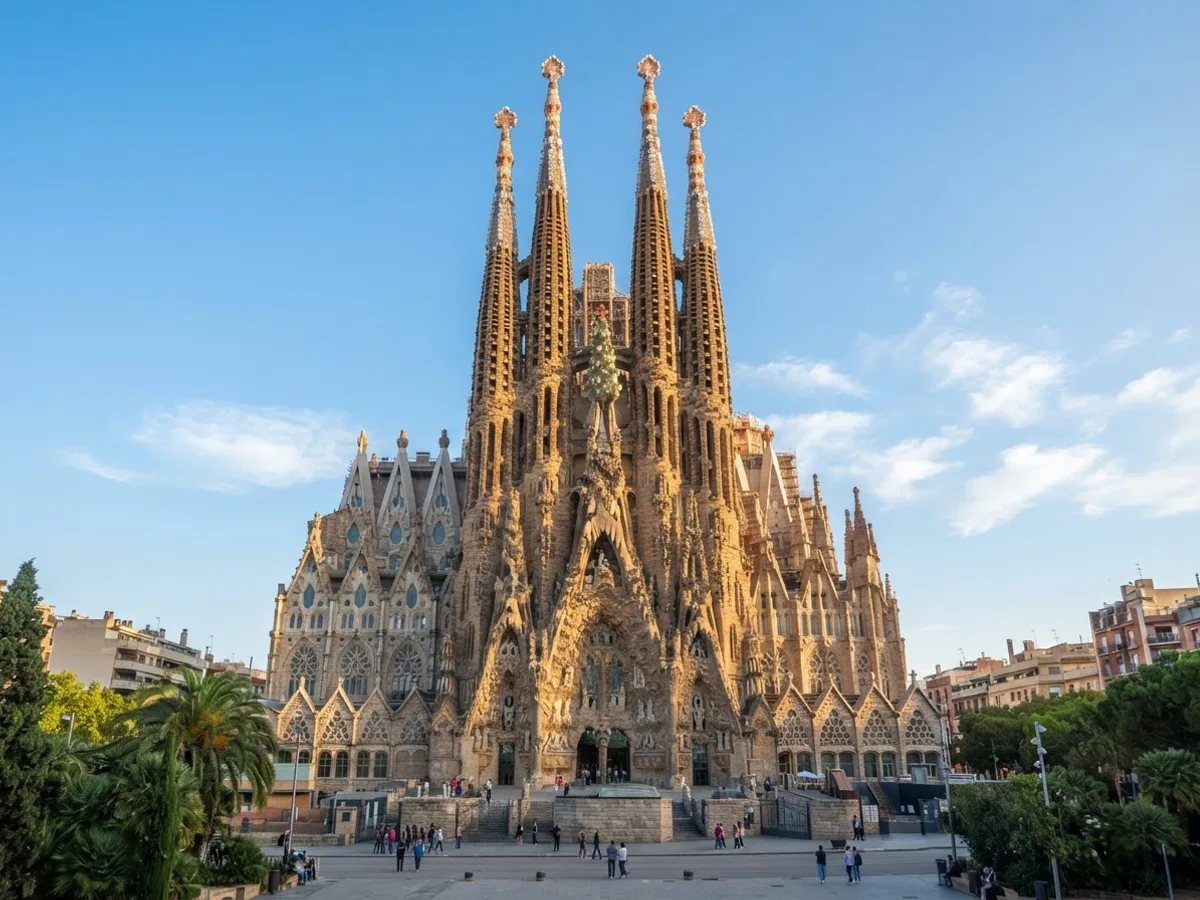
Route order is worth a look too. A tour that begins near a metro station and ends near lunch or dinner is often easier than one that drops people in an awkward district. For a panoramic view, check how that stop is reached and whether there is enough time to enjoy it. A viewpoint squeezed between two crowded stops may feel rushed.
Travellers comparing barcelona day trips should also keep the wider region in mind. Some tours stay within the city, while others head to nearby towns, monasteries or vineyards. A longer outing can be memorable, but it asks more of the day and may leave less room for spontaneous plans in Barcelona itself.
Check timing, group size and language
The practical details are where many good plans either work smoothly or feel strained. Start with the length of the tour and the time of day. Morning routes tend to be quieter and more comfortable in warm months. Late afternoon tours can offer softer light, though they may run into dinner plans or closing times at indoor stops. Evening walks have their own appeal, but the story should be built for that setting rather than simply repeated from a daytime route.
Group size changes the feel of a tour. A smaller group makes it easier to ask questions and hear the guide. A larger group may move more slowly at busy sites and can feel less personal. Neither is automatically better. A lively group can suit an open street walk, while a small group may be preferable inside a museum or a narrow old street.
Language deserves a direct check. Look for the language in which the tour is conducted, not only the languages listed somewhere in the booking details. If the main narration is in one language and only printed notes are available in another, the experience may feel quite different. Ask whether the guide can answer questions in the language needed, particularly when the tour covers history or architecture in detail.
Accessibility is another point to review before committing. Ask about steps, steep streets, long standing periods and whether the route has seating breaks. For an e-bike tour, check height requirements, bike size and whether a normal bicycle can be substituted. These are ordinary planning questions, and a clear answer before booking is far better than a difficult day on the route.
Read the inclusions with care
Tour descriptions often use compact wording, so a few minutes of reading can prevent confusion. Separate what is included from what is optional. Entry tickets, tastings, transport, helmets and hotel pickup are not universal, even when they appear close to the tour title. The route may mention famous landmarks without promising entry to them.
Food tours need particular attention. Check how many tastings are included, what type of places are visited and whether drinks are covered. A tour that samples local classics may still leave room for a later meal, while one built around several sit-down stops may replace lunch entirely. Dietary needs should be raised before booking, not during the first tasting.
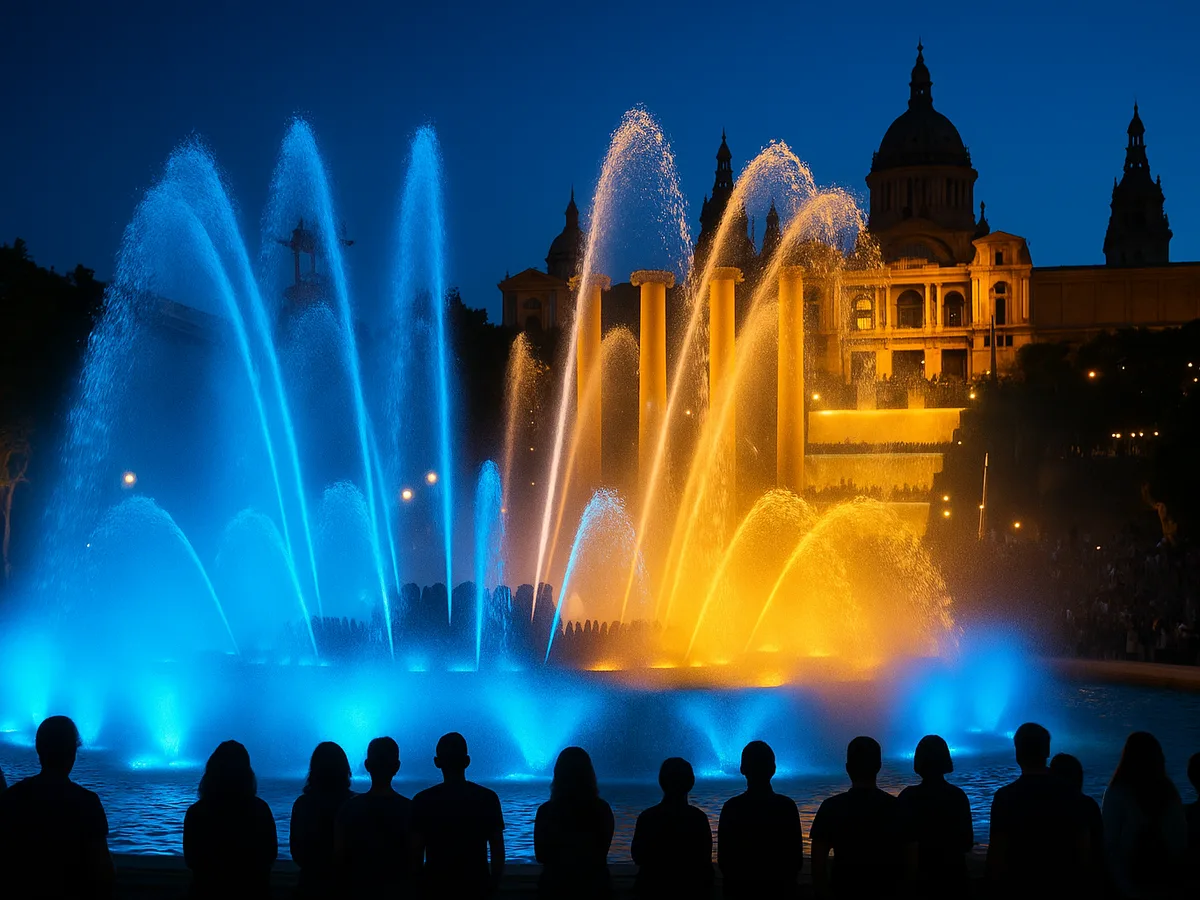
For architecture-focused outings, check the depth of the commentary. A strong architecture tour should make the buildings legible, not just name them. Look for a route that explains why certain facades, courtyards or street layouts matter. If the description promises several famous buildings but gives little sense of the theme, the day may become a sequence of photo stops.
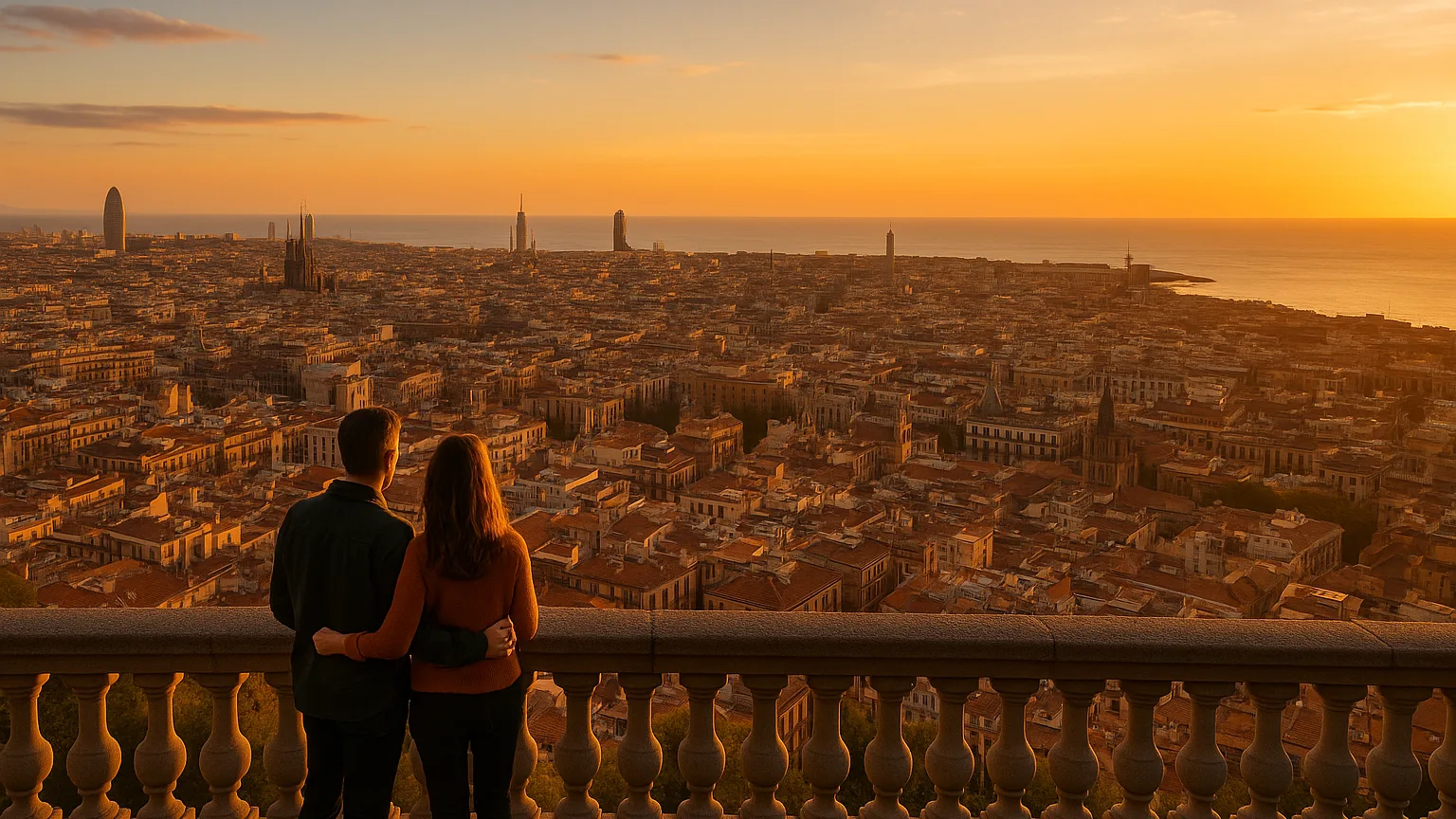
Some tours include a panoramic view from a tower, rooftop or hill. Check whether that element is dependent on weather, opening times or a separate ticket. Views can be a highlight, yet they are also the part most likely to change at short notice. A balanced itinerary is usually more satisfying than one built entirely around a single viewpoint.
Compare reviews for useful patterns
Reviews are most helpful when read for repeated patterns rather than a single glowing or unhappy comment. Look for references to pace, clarity, route balance and how the guide handled crowds. Several remarks about a guide being hard to hear are more useful than one complaint about the weather. Repeated praise for the same stops can also reveal what the tour does well.
Pay attention to the date and season of reviews when available. A route that works well in spring may feel different in high summer. Comments about a quiet old town visit may not reflect a busy holiday week. Reviews from travellers with similar interests carry more weight, especially for food, family or architecture tours.
It is also useful to notice what reviewers wished had been included. Maybe they wanted more time at a museum, fewer stops, clearer meeting instructions or a shorter walk. Those details help identify whether a tour matches personal preferences. A tour can be well run and still be wrong for a particular traveller.
Make the final choice with a simple check
By this point, the decision should be narrowing. A practical final check can keep the choice grounded:
- The route covers the places and themes that matter most, with clear wording about entry and extra stops.
- The length, pace and transport style fit the day around it.
- The language, group size and accessibility details suit the people taking part.
- The inclusions match expectations, especially tickets, tastings and equipment.
- The cancellation and change terms leave reasonable room for travel disruption.
That last point deserves attention. Travel plans shift, trains run late and weather changes. A tour with clear terms is easier to manage than one surrounded by vague promises. Read the conditions before booking, especially for longer outings or dates near public holidays.
The meeting point should also be easy to understand. Check the exact location, how early to arrive and what happens if the group starts on time. A central meeting spot near a recognisable landmark helps, though busy plazas can still be confusing when several groups gather at once.
Match the tour to the rest of your stay
A well chosen tour should sit neatly within the wider trip. If the same day includes museum visits, a long lunch and an evening plan, a short walk may be wiser than a full-day route. If the itinerary has little structure, a broader city tour can give the visit shape and introduce neighbourhoods worth returning to.
Keep one flexible block in the schedule where possible. Barcelona has a way of rewarding unplanned pauses, whether that means lingering over coffee, stepping into a small gallery or watching the light change across a familiar street. A tour that leaves some room for independent time often feels richer than one that accounts for every minute.
The right choice is less about finding the most famous route and more about matching the day to the traveller. Define the style, study the route, check the small print, read reviews for patterns and book only when the practical details feel clear. Done in that order, selecting among city tours barcelona offers becomes a calm decision rather than a rushed guess, and the tour is more likely to add depth to the visit instead of simply filling time.